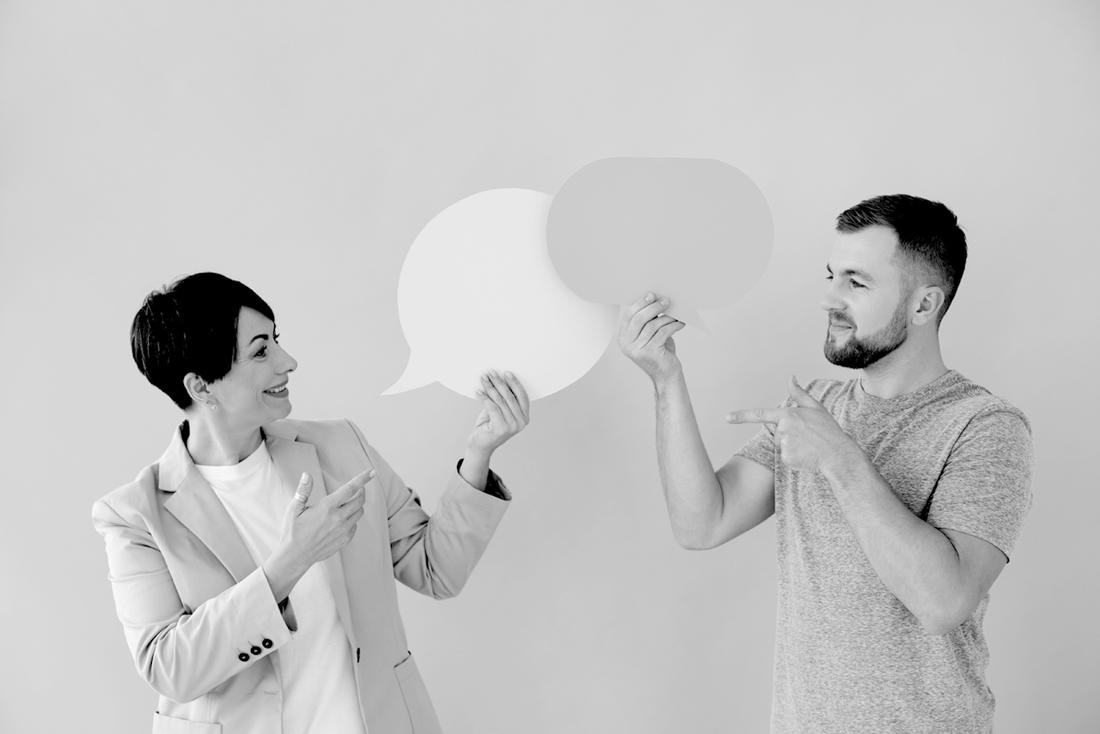
Mastering Communication
Effective Communication: Building Bridges for Success
About this course
This interactive course is designed for junior-level employees who seek to master communication skills in professional settings. By focusing on both verbal and non-verbal communication, participants will explore the key techniques for crafting clear, concise, and persuasive messages. This course emphasizes active listening, emotional intelligence, and the art of adapting communication to different audiences and situations. Participants will leave with the skills needed to enhance relationships, increase team collaboration, and contribute effectively in workplace conversations.
Who it's for
- Junior EmployeesIndividuals looking to build a solid foundation in professional communication.
- Recent GraduatesNew professionals eager to communicate effectively in the workplace.
- Aspiring Team LeadersEmployees seeking to develop communication skills for future leadership roles.
- InternsInterns wanting to improve their ability to connect with team members and supervisors.
Course objectives
- 01Understand the Fundamentals of CommunicationGain a solid understanding of communication principles and their impact on professional relationships.
- 02Develop Active Listening SkillsMaster techniques for listening attentively and empathetically to foster effective two-way communication.
- 03Enhance Verbal and Non-Verbal CommunicationLearn how to express ideas clearly and confidently, both through words and body language.
- 04Adapt Communication to Different AudiencesLearn how to tailor messages for different stakeholders to maximize impact.
- 05Handle Difficult ConversationsAcquire strategies to navigate challenging interactions with professionalism and tact.
Course content: 8 modules
- 1Foundations of Communication
- 2The Power of Active Listening
- 3Verbal Communication Excellence
- 4Non-Verbal Communication
- 5Adapting Communication to Different Audiences
- 6Handling Difficult Conversations
- 7Practicing Real-World Scenarios
- 8Creating a Personal Communication Plan
What participants gain
- Mastery of Communication PrinciplesParticipants will understand the essential components of effective communication and apply them to their roles.
- Improved Active ListeningEnhanced ability to listen attentively, understand diverse viewpoints, and respond thoughtfully.
- Increased Confidence in SpeakingAbility to express ideas confidently in meetings, presentations, and informal conversations.
- Stronger Relationship Building SkillsAbility to foster stronger interpersonal connections with team members, clients, and supervisors.
- Conflict Resolution and Diplomatic CommunicationMaster techniques for navigating sensitive or challenging conversations with grace.
How we measure impact
- 01Pre- & Post-Course AssessmentsSurveys to assess participants' communication skills and confidence before and after the course.
- 02Communication SimulationsParticipants demonstrate their new communication skills in real-world scenarios, receiving peer and instructor feedback.
- 03Peer FeedbackGroup evaluations of each participant's communication style, offering actionable insights for improvement.
- 04Follow-Up SessionsRegular check-ins at 3 and 6 months post-training to assess long-term application of communication skills.
- 05Self-ReflectionParticipants reflect on their growth through journaling and group discussions.
Keep exploring
More Soft Skills courses



Let's talk
Bring this course to your team
Tell us who you'd like to train and what matters most — we'll recommend the right format and schedule.